Radical Re-imagining at Liverpool's Unity Theatre
Updated: May 14

Liverpool Unity Theatre's A Radical Reimagining - a multi-faceted heritage project headed by Unity artistic director Eli Randle - reveals the Hope Place building’s unique history and the place of radical theatre in the city's cultural fabric.
The project is based on Eli's exploration of over 200 boxes of archives dating back to the 1930s, full scanning and cataloguing of which is taking place at the John Moores university (and is currently only half finished - it's a major task).
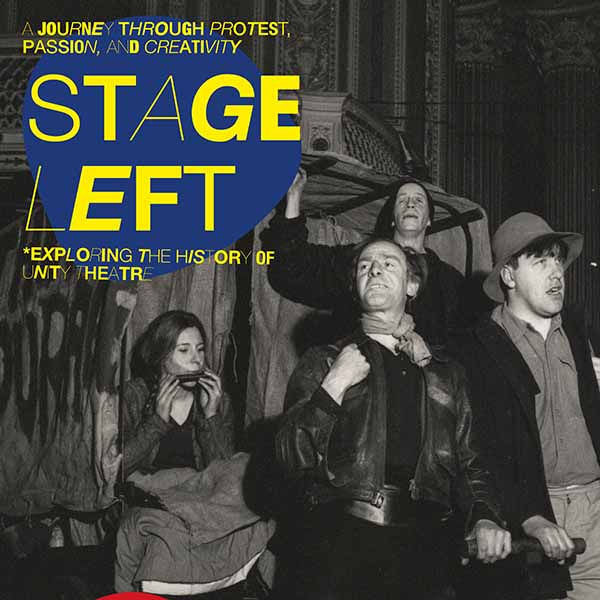
In A Radical Reimagining, audiences can look forward to a series of events spanning theatre, art, live music, film and workshops, culminating in Unity’s own production Stage Left (June 4-6), which tells the story of the theatre’s rebellious past.

Unity Theatre was estab-lished in the 1930s in a former synagogue - originally as Merseyside Left Theatre - at a time when workers’ movements and political unrest were prevalent across the UK. In 1944, the theatre group joined forces with the Unity Theatre movement, a national initiative that produced politically left-wing works by and for working class audiences.
Throughout the 1940s-1960s, Unity was radical and experimental, staging politically and socially conscious works that challenged conventional theatre and addressed themes of workers’ rights, fascism, capitalism and wider issues of inequality. Productions were often held in unconventional locations such as street corners, pubs and community halls, offering an outlet for working-class people to discuss the issues they faced.

Eli said: “I was thinking about what Unity stood for, why it exists and how none of its rich history is present in our building or archived. "I decided to create this project, which looks at that past and also to the future through new work with young people.
"The heritage is a testament to the role of the arts in fostering social awareness and political dialogue and it is a privilege to be able to explore this through the project. I’m delighted it brings together exhibitions, events and performances that celebrate our radical past while championing the next generation of theatre-makers shaping our future.
"Exploring archives that date back to the 1930s has been truly inspiring, and it’s equally exciting to be creating new work that continues this legacy."
A Radical Reimagining Exhibition - The History of Merseyside Unity Theatre, 1937-1987, runs from May 14-June 28 and features archives from the Unity Theatre collection. It's at the Mount Pleasant Campus Library at 29 Maryland St, Liverpool L1 9DE.
Stage Left (June 4-6), Unity Theatre, has been created in-house and dives into the theatre’s bold and rebellious past. Decades of radical storytelling roar back to life!.
Young Radical Theatre Makers, at Unity Theatre (June 4-6) allows audiences to step into the future with Unity’s Young Radical Theatre Makers. This new generation of artists amplifies today's voices to ask urgent questions of tomorrow.
There is also a full programme of film, workshops and talks, which you can find here