The Beekeeper of Aleppo

Updated: Apr 23
Nesrin Alrefaai and Matthew Spangler, from the novel by Christy Lefteri
Nottingham Playhouse, Martin Dadd, UK Productions
Storyhouse, Chester
April 21-25, 2026; 2 hrs 20 mins
(also Grand Theatre, Blackpool, May 26-30)


Why would someone rip up the roots laid down for them for generations, undertake a hazardous journey and attempt to settle in a place that may be hostile to their presence? Of course the answer in this case is fairly obvious: warfare that shattered their peaceful existence and put them in grave danger. The premise of The Beekeeper of Aleppo, based on the novel by Christy Lefteri, is to show how this change affected the main characters.
Nuri and Afra are happily married, with a 10-year-old son. Nuri has left the family business and learned how to be a successful beekeeper. In 2011, Syria experiences the "Arab Spring", a popular attempt to institute democracy in a series of Arab nations. The government reacts strongly, such that disagreement soon turns to violence and then war. Nuri and Afra are forced to leave their home, having lost their son during a bombing attack on Aleppo, and undertake the journey that millions from their country have also faced, to find safe haven. As they both speak English, they choose to travel to Britain, but the journey is costly in material terms - and to their physical and mental health.
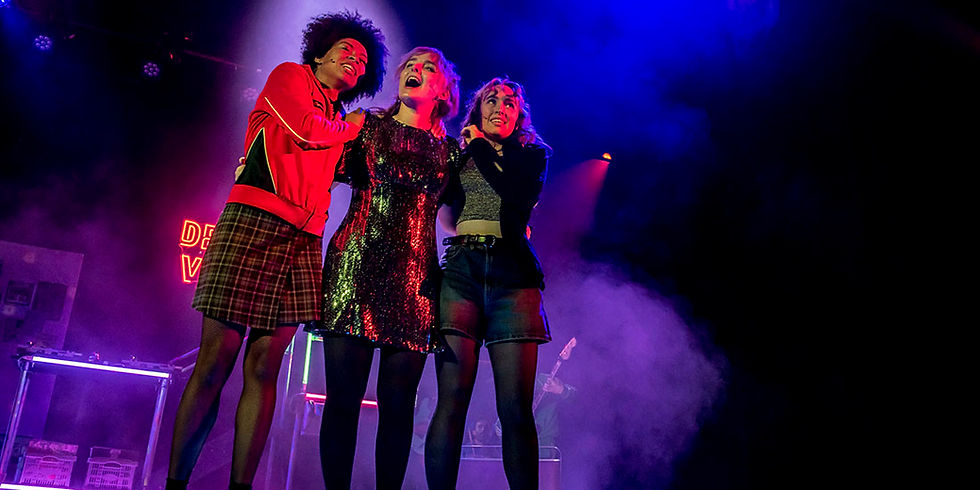
It's no mean feat to portray such a difficult experience and the mindset of these asylum seekers, but the cast does this well. We see a transformation of Nuri (Adam Sina) and Afra (Farah Saffari) from contented individuals with a strong family ethos, to traumatised victims of war, suffering from psychological blindness or delusions. The two actors portray this extreme change without falling into the trap of overacting, achieving a convincing level of realism. Alia Lahlou and Princess Khumalu capture the unfeeling bureaucracy of the British immigration authorities, and Aram Mardourian plays two different sinister fixers who organise their trip from Syria to the UK.
The set is simple and static but scene changes are executed by the clever use of light, sound and film projected on to the scenery. Very soon, we learn that Nuri and Afra have arrived in the UK but there are multiple flashbacks to Aleppo or various stages along their journey, including Turkey and Greece. The sheer number of flashbacks sometimes makes the plot hard to follow, but this aids the story in one aspect, as they reflect on the profoundly confusing and unsettling experience journey, physical and emotional.
The story remains highly topical, or course, and its compelling nature makes this show eminently watchable. A refugee's journey can be brutal, exploitative and fraught with danger, often undertaken through necessity, not choice. It is of course common to see incoming asylum seekers being treated with prejudice, discrimination and hostility. We often forget what this play clearly points out: they are people too, not very different from ourselves.
More info and tickets here